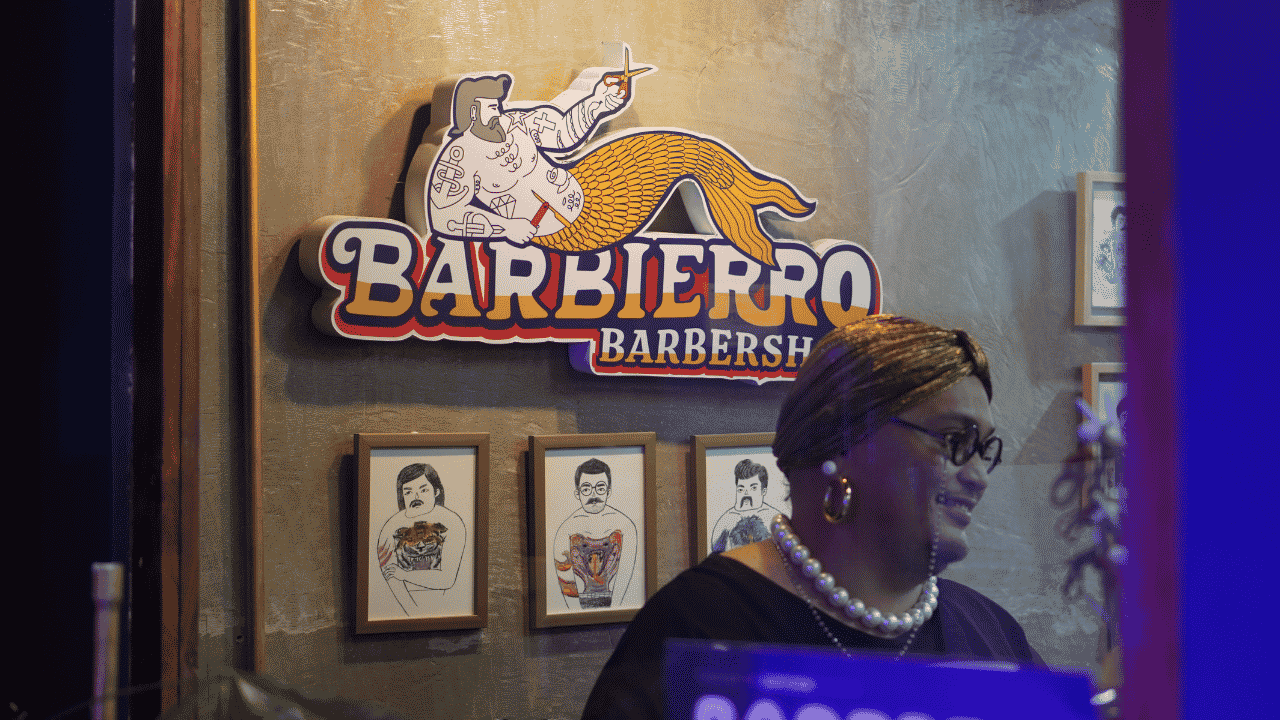
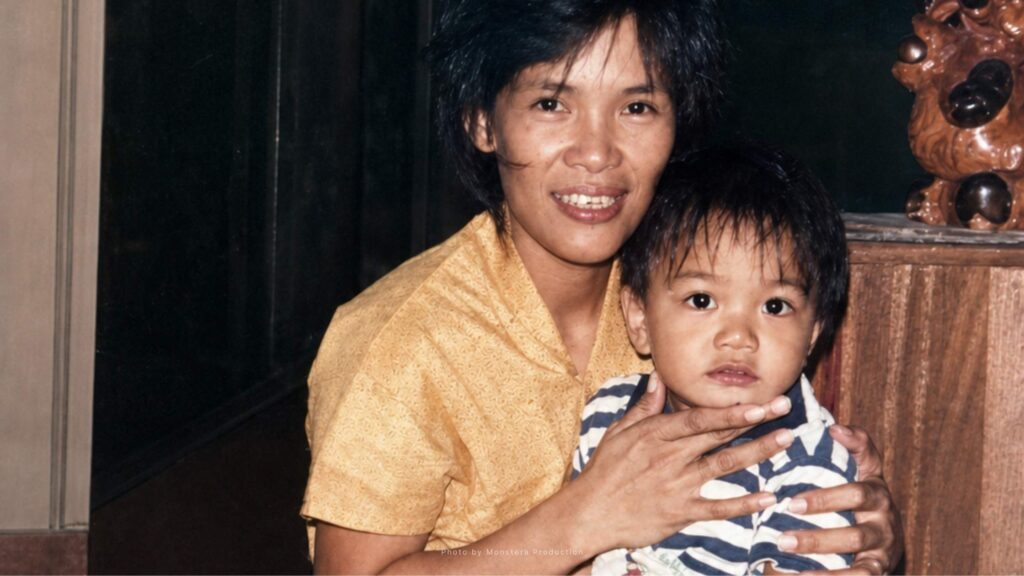
I was twelve and that one Saturday afternoon, I dreaded going to a local barbershop in Pili, a town just twenty minutes outside Naga City, Camarines Sur. I know I’d come out of it refreshed and rid of malaise–they’re one of the few airconditioned shops right by the street–but there’s something about that space I couldn’t quite stand. Maybe it’s the racy photos of girls riding horses holding an alcoholic beverage as a background image for a 1997 calendar, or maybe it’s the humming of the clippers and the squeaks of heavy Tabaco-made scissors whose finger holes were wrapped in fabric. Maybe it’s the company of my Father, who pokes fun–with the Barber–at my choice of applying baby oil on my side-swept hair.
I still remember the weight of the barber’s cape — heavy, hot, suffocating. Sit still. Don’t flinch. Don’t seem like anything other than what they expected. I was as nervous as a convent-raised rooster facing its first sabong (cockfight). I never told him I was counting the minutes until I could escape the chair, the shop, the whole ritual of pretending.
I’d disappear somewhere behind my own eyes, closed, waiting for it to end.
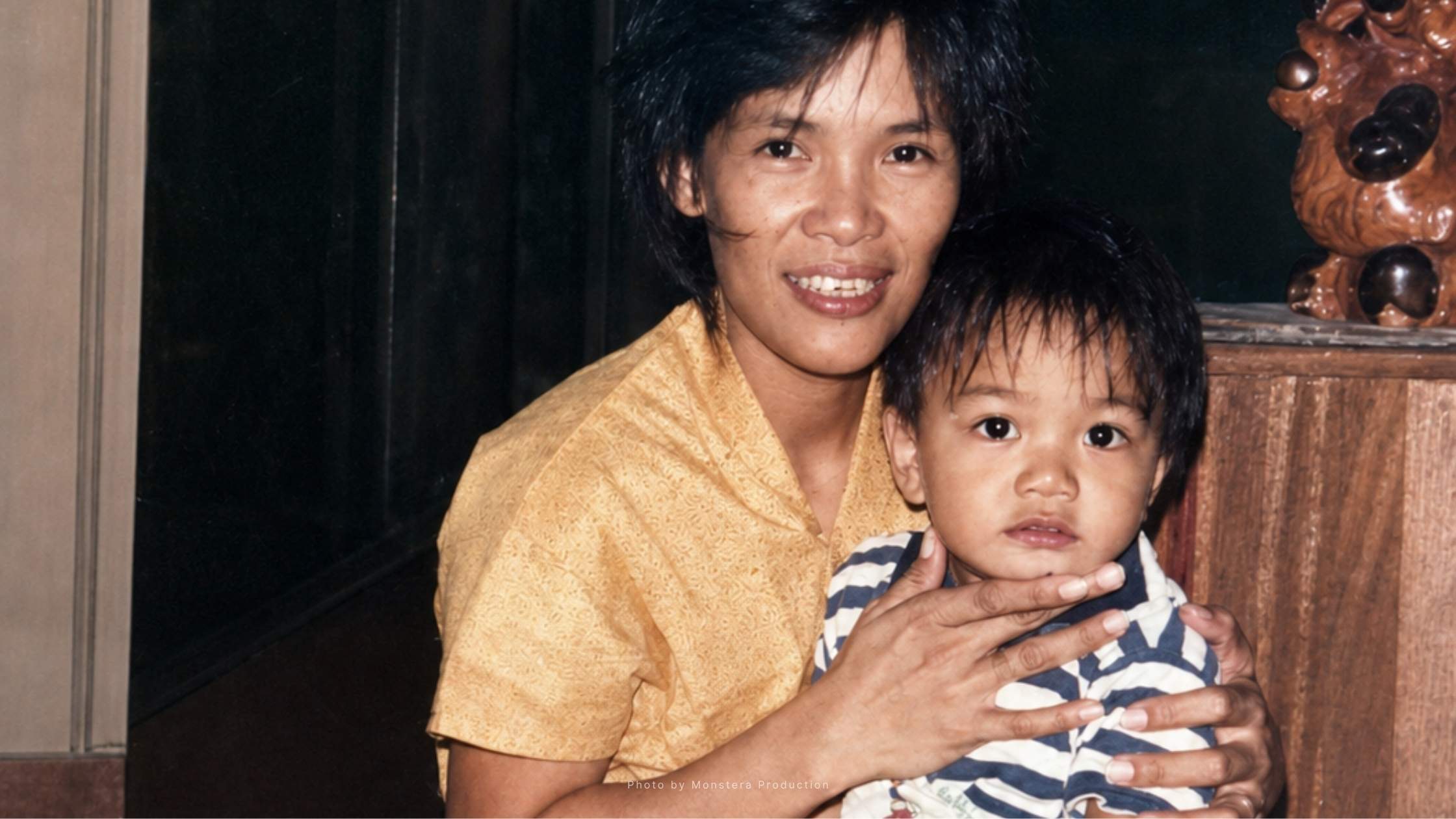
On days when Mama clocks out on Friday afternoons, she’d take me to the same barbershop. This felt like a different experience. Maybe it’s because unlike my Father who lets the Barber do pretty much anything he wants with my hair, Mama commands the whole shop like a queen with no heir, a queen commanding even how the Pacific winds would behave.
“Halipot sa gilid, malinig sana sa taas, (short on the sides, clean on top),” Mama would instruct, her voice carrying that particular tone of maternal authority mixed with something else I couldn’t name then—protectiveness, perhaps. She’d watch the barber’s every move through the mirror, her eyes sharp as the scissors themselves, making sure he didn’t take too much off the top, didn’t fade the sides too high, didn’t make me look like the other boys under the munisipyo’s giant acacia tree who seemed to grow into their barbershop haircuts as naturally as they grew into their basketball jerseys.
The Barber would always defer to her, this mestiza woman in her office blouse still smelling of typewriter ink and paper. The Barber’s hands are gentler under her gaze.
She never asked why I flinched when the clippers touched my nape. She never questioned why I stared so hard at my own reflection, as if searching for someone I hadn’t met yet. She just sat there, her bag on her lap, and when the barber finished, she’d inspect my head from every angle like she was checking for termites in wooden furniture. “Okay naman baga(it looks okay, right),” she’d declare, and only then would I be allowed to stand, to shed the cape, to breathe.
It’s always a relaxing trip to the barbershop when I’m chaperoned by Mama.
“Ma, I’m gay,” remained unspoken. I never had the formality of coming out to her nor my elders at home. But she knew, they knew. It was the hair.
My hair was the first language I spoke without knowing I was speaking. The way I fussed over it, the way I resisted the boyish cuts my father wanted, the way I’d stand in front of the mirror for twenty minutes with a comb and a bottle of baby oil, trying to make something sassy out of what the barber had made ordinary.
Not long enough, I had two male siblings needing regular haircuts. My Mama got busier at work, so I became the one who took them. Me. The eldest son, the one who had survived the cape, the one who had learned to read silence and translate hair. By the time I was about nineteen, Roy was ten, and Ron-ron was around three. Ron-ron was feistier and would run around kicking things. Roy had a milder demeanor, and was beginning to sharpen into something angular, manly.
And I would sit them in the chairs—one after the other, because the shop was too small for both at once—and I would watch the barber’s hands, and I would remember. I would get the occasional stares, but knowing that Mama is just a few steps away in her office gave me comfort.
On days when I took them, I’d recall a few smirks here and there from fellow clients. I know what they’re thinking: there’s that lanky boy with his neon-colored shorts and floral shirt. It was uncomfortable. I’d try to see if my two younger siblings saw or heard these remarks but thankfully, they’re either busy playing with their brick game or trucks.
I wish Mama wasn’t too busy at work so she could be the one to take them, take us. By this time I know the hairstyle I liked, so I’ve grown accustomed to explaining things to the Barber myself.
Mama took me with her on her trips to the salon, too—a completely different world. If the barbershop was all buzz and banter, the salon felt like a slower kind of music: the whirr of hairdryers, the chemical sweetness of treatments, the low murmur of women telling their stories in portions, like sectioned hair. I moved between those spaces like a quiet witness, learning early that hair was never just hair. It was identity, escape, routine, and sometimes, survival.
Hair was where I got to know more of Mama–her choices have evolved through the years (especially when she parted ways with my Father)–consulting me every so often on the color and cut that could work for her.
Lucky are the gay sons whose mothers are visible, ever-present—but luck, I’ve learned, is not just in their presence, it’s in the quiet ways they make space. In the way a hand steadies your chin in front of a mirror, in the way a voice intervenes when the world tries to shape you too harshly, in the way they let you become without asking you to explain. I did not have a grand coming out, no ceremony of truth-telling—only years of sitting in chairs, of watching, of being watched, of hair falling and growing back in forms that felt closer to myself each time.
And somewhere between the barbershop’s sharp edges and the salon’s soft hum, between my time with my siblings and my mother’s quiet command, I realized this: she had always known. Not because I said it, but because she never cut me down to fit. 🧜♂️